Fire Alarm System: Complete Guide to Protecting Lives and Property
Fire Alarm Systems That Spot Threats Before It Could be an Emergency
Fire alarm systems are one of the key elements of a safety system in a residential, industrial, or commercial facility. It helps to identify smoke, fire, or ignition at an earlier phase and warns the people inside the building.
If you run an office, warehouse, shopping center, medical institution, or manufacture, installing proper fire alarm systems brings various benefits like saving lives, the assets of a business, and works following fire safety standards.
What Is a Fire Alarm System?
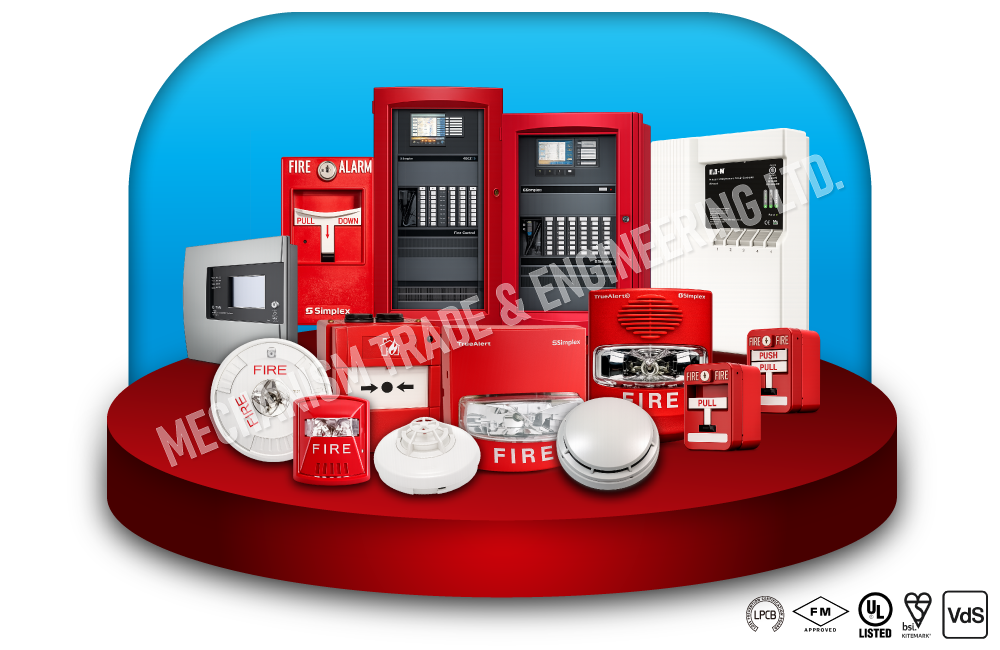
A fire alarm system consists of a variety of interconnected elements which are strategically positioned to allow the constant observation of a building's condition to identify any evidence of fire in the facility. Once any smoke, heat, or fires are detected by the network, alarms go off and occupants are dangerously warned, and emergency professionals are contacted in case the system is connected to a monitoring service.
In recent times, advanced fire alarm systems have made it possible to utilize certain automatic features and integrate other safety systems of the building together with the fire alarm system:
The idea is simply to detect fire and help people manage the situation at the earliest stage before it becomes hazardous.
Why Is a Fire Alarm System Important?
Fire emergencies are unpredictable. Good fire detection can mean life-safety on one side, and reduction of losses on the other.
A fire protection system that has been designed properly provides:
Saving employees, customers and residents.
Early fire detection.
Reduction of losses from damage.
Minimization of losses due to incapacity to continue doing business.
Improvement of the time for responding to emergencies.
Compliance with fire safety regulations.
Reduction of operational risks.
Satisfaction in fire safety of premises.
Main Components of a Fire Alarm System
All fire alarm systems consist of critical components that function cohesively.
Fire Alarm Control Panel
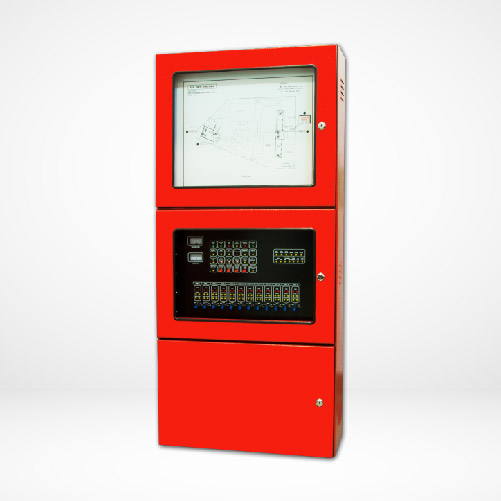
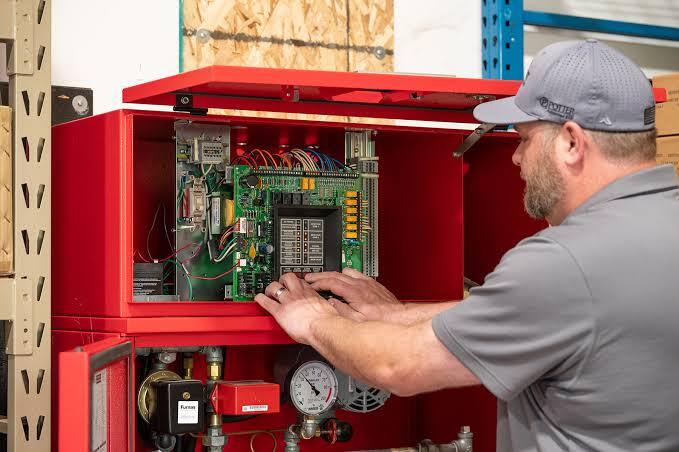
The control panel serves as the core of the fire alarm system. It serves to obtain messages from every component connected to the system and consequently set off the alarm in case smoke or fire is detected.
Smoke Detectors
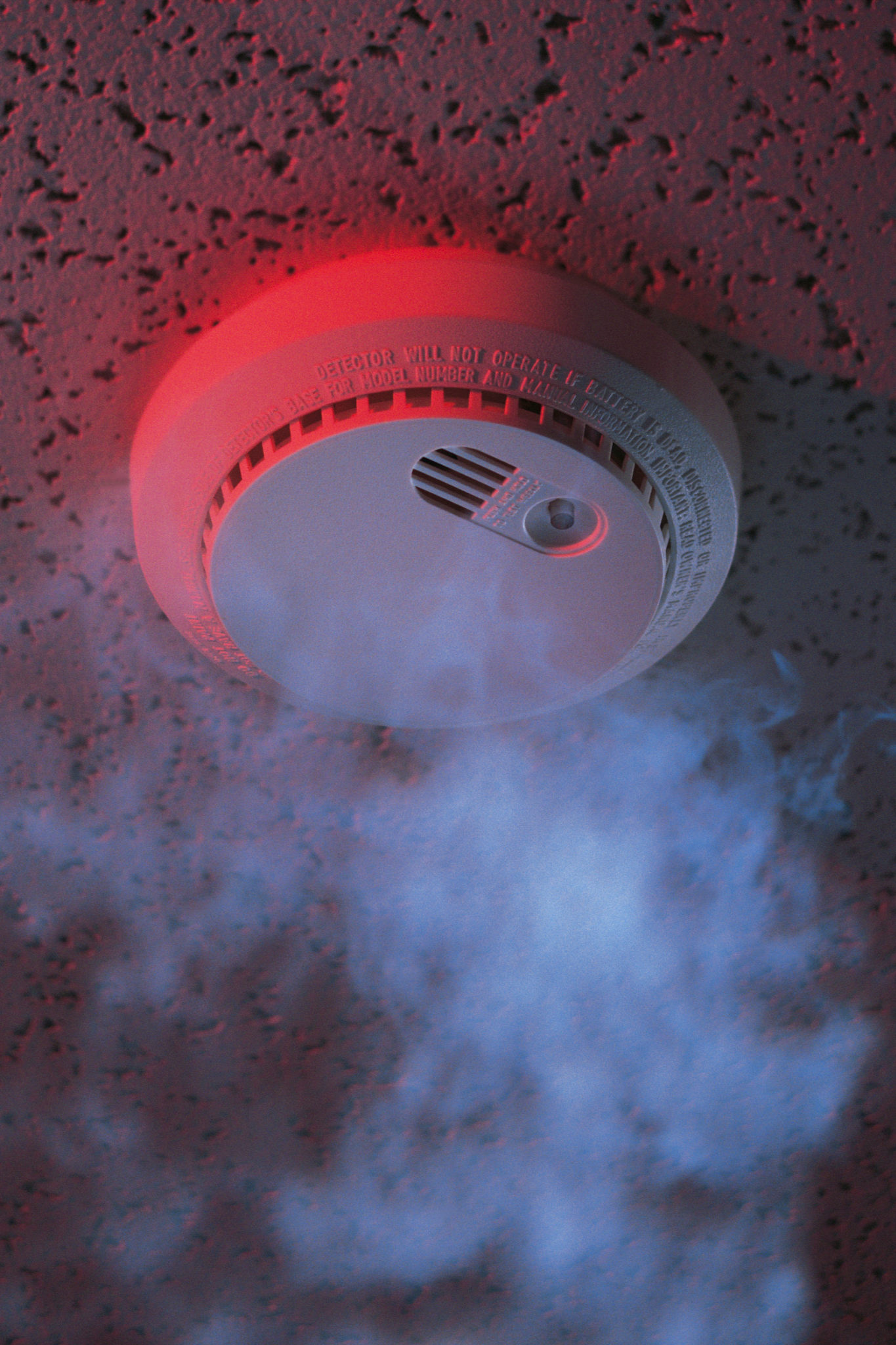
These devices identify smoke particles before flames spread out throughout the room.
These devices are generally placed in:
- Workplaces
- Bedrooms
- Corridors
- Conference rooms
- Storage places
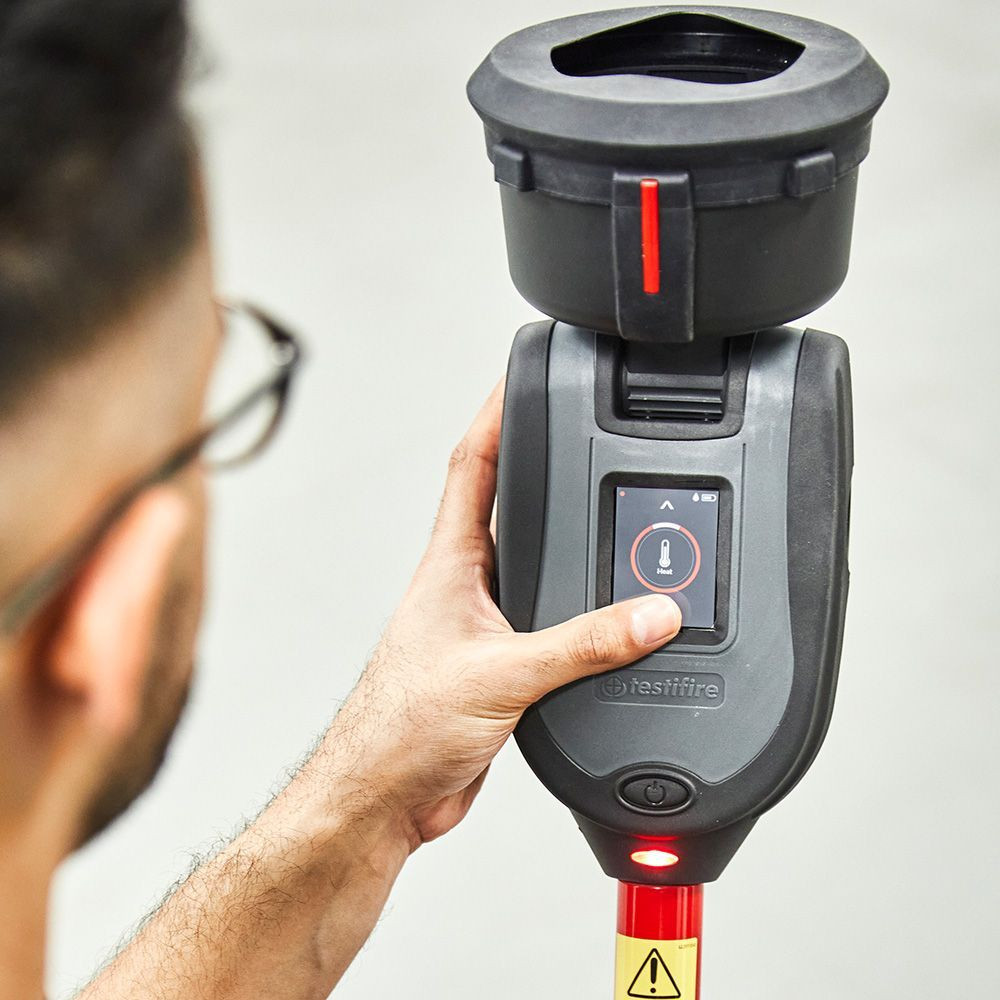
Heat Detectors
Heat detectors function when temperature levels reach critical points.
They are suitable for places where smoke detectors might create false alarms, for example:
- Kitchens
- Boiler rooms
- Sheds
- Factories
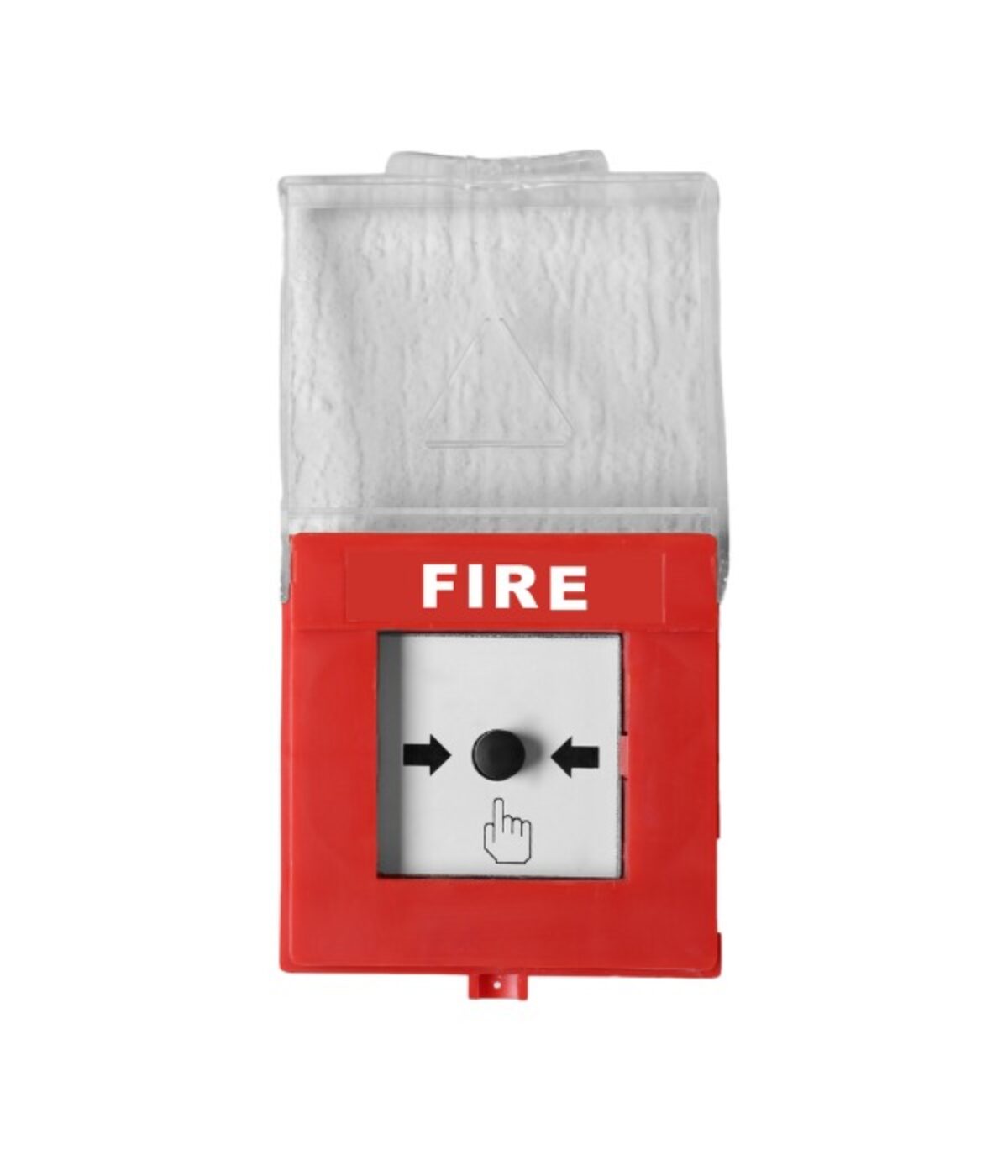
Manual Call Points
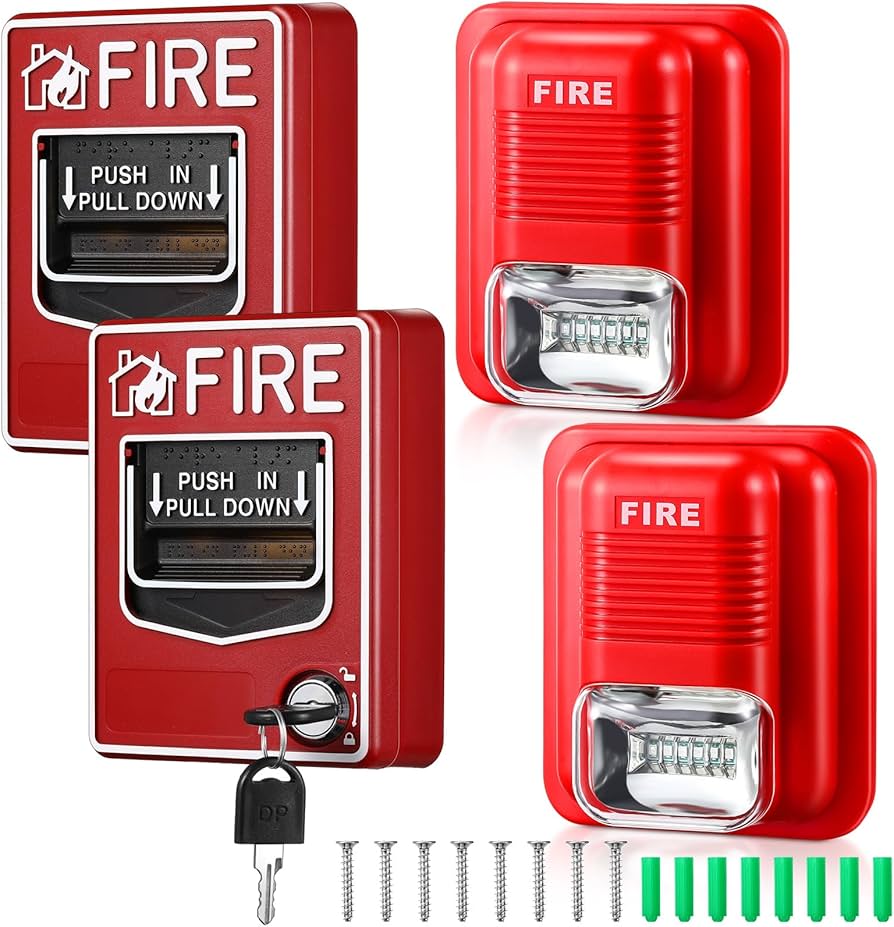
Manual call points enable people to start the fire alarm by hand.
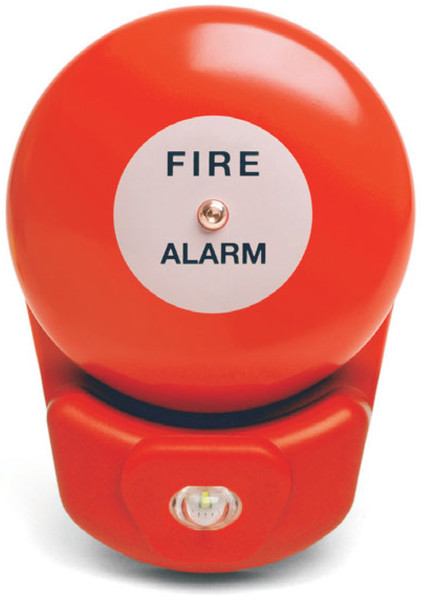
Sounders and Alarm Bells
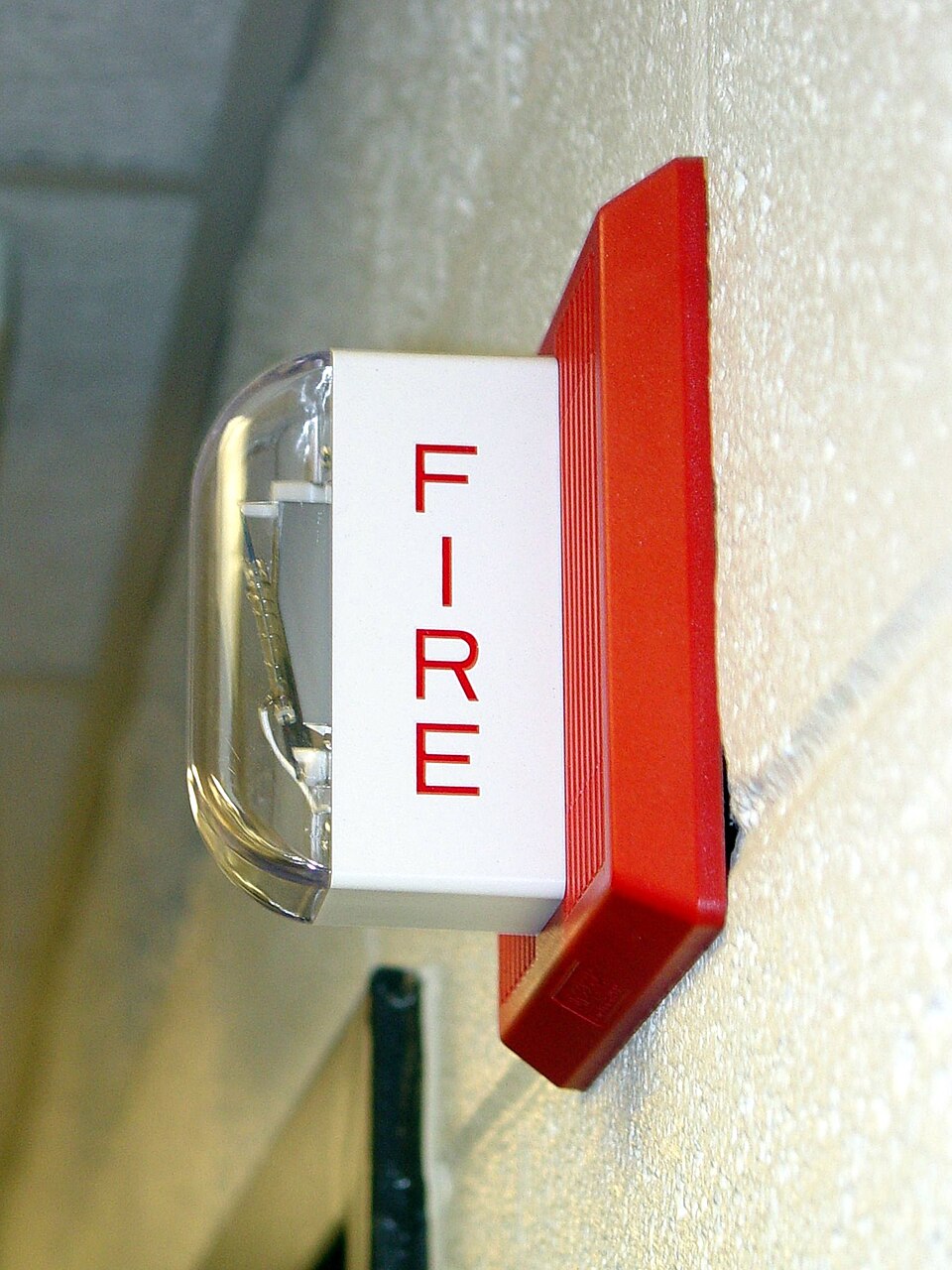
Once the fire is detected by the system, the alarm sounders will ensure that the fire is detected immediately.
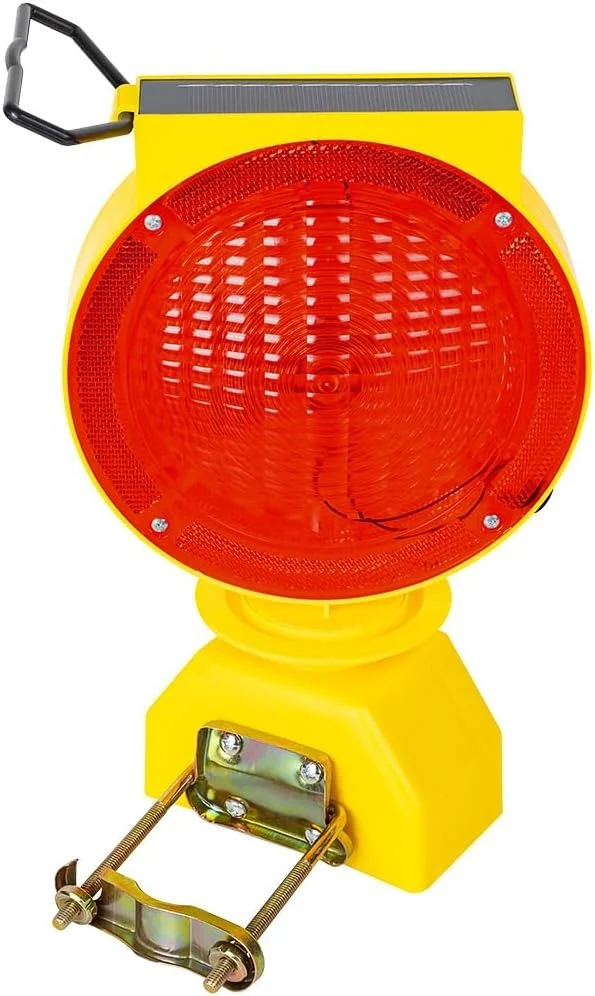
Flashing Warning Lights
Flashing light systems are useful in places with high noise levels or where the occupants are hard of hearing.
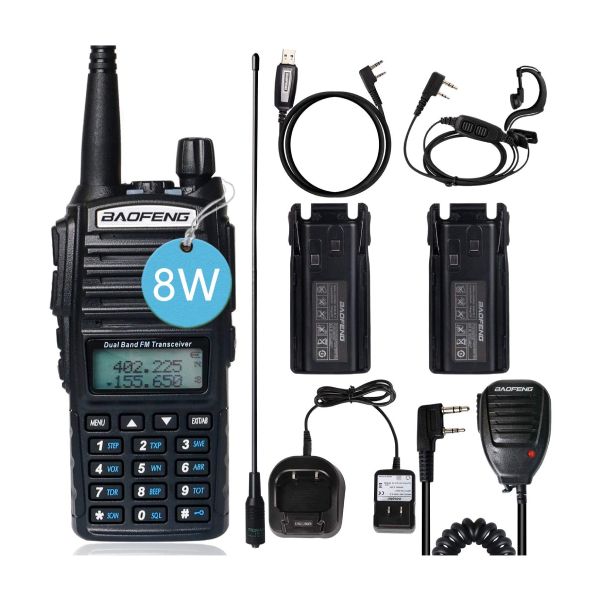
Emergency Communication Devices
There are systems with features of mechanical voice systems that can be mentioned as one of the special features of advanced systems.
Types of Fire Alarm Systems
Different buildings require different fire alarm solutions depending on their size, complexity, and fire risks.
Traditional Fire Alarm System
A traditional fire alarm system classifies a structure into different zones. The control panel is able to determine the affected zone when an alarm is activated, but it does not specify which exact detector is responsible.
This kind of system is suitable for:
- Small offices
- Shops
- Schools
- Small buildings available for commercial use
Addressable Fire Alarm System
An addressable system gives every detector and device a separate address. This makes it possible for the control panel to learn which specific detector has been activated at the moment the fire begins. This means that it allows for a quicker response to emergencies and an easier maintenance process.
Its systems are suitable for:
- Hospitals
- Hotels
- Airports
- Big commercial structures
Wireless Fire Alarm System
The wireless systems communicate through the use of radio waves instead of relying on wires.
Benefits of using wireless systems include:
- A quick installation
- Minimal disruption of the process
- Flexibility of expansion
- This type of system works best for historical buildings.
Intelligent Fire Alarm System
Intelligent systems are capable of interrupting changes in the environment and analyzing the information received from the detectors in order not to create false alarms.
How Does a Fire Alarm System Work?
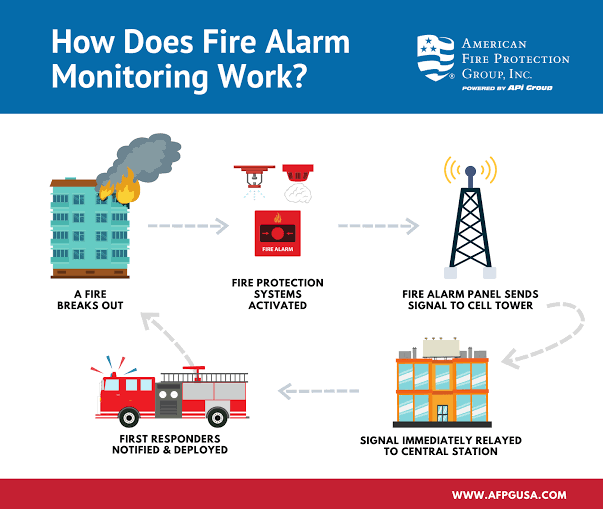
In essence, the fire alarm system is designed in a very simple manner. Its components are always monitoring the surroundings.
As soon as any smoke or high temperatures are found, the smoke-detector will inform the central panel, which is then activated by the panel so that people are notified about the fire.
Thus, fires can be detected and transmitted to emergency services.
Where Are Fire Alarm Systems Used?
Benefits of Installing a Fire Alarm System
Increased safety of life.
The system makes it possible to warn the people about an impending danger.
Decreased damage to property.
Prompt reaction of the fire alarm system may help to control the fire at an early stage.
Sustainable activities.
Quick response means no interruption in the business process.
Regulatory compliance.
In many towns, fire alarm system installation is a requirement of the local legislation.
Lower insurance costs.
The building with a fire alarm system can get some bonus points from the insurance company.
Choosing the Right Fire Alarm System
The choice of a fire safety system depends on many factors.
Some of them are:
Professional fire safety assessment makes choosing an appropriate option much easier.
Fire Alarm System Installation
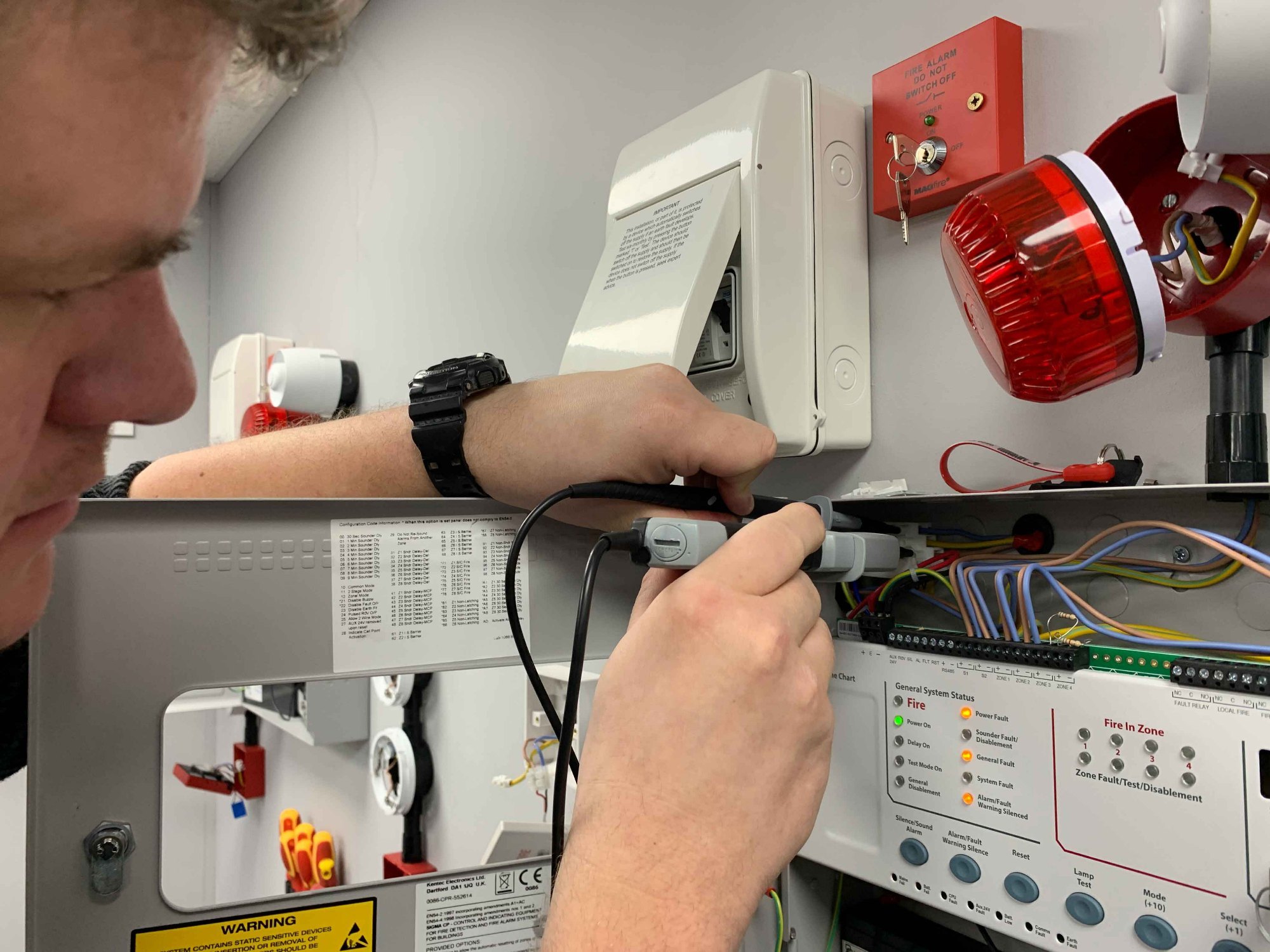
Installation is very important for effective functioning.
Professional installation services include:
- Site inspection.
- Risk assessment.
- System design.
- Choosing equipment.
- Wiring and installation.
- Testing of devices.
- Launching the system.
- Training the users.
Fire Alarm System Maintenance
Regular maintenance is important for the system to work throughout its life.
Maintenance usually comprises:
- Testing detectors.
- Checking batteries.
- Testing alarm.
- Checking control panel.
- Checking wiring.
- System diagnostics.
- Cleaning detectors.
- Upgrading software (where necessary).
Common Signs Your Fire Alarm System Needs Service
Your fire alarm system should be checked by professionals in case you observe the following:

Why Choose Mechanism Trade?
Mechanism Trade offers reliable fire alarm systems designed according to the safety standards of today’s buildings.
Our offers include:
Frequently Asked Questions
What is the function of a fire alarm system?
A fire alarm system is a piece of equipment that will find out about the onset of smoke, heat, or fire and notify the people in the building to leave the building when necessary.
What is the process of working of conventional and addressable fire alarm systems?
A conventional system indicates the zone affected, while the addressable system identifies the particular fire detector that has triggered the alarm.
How often should fire alarm systems be inspected?
Regular inspections and maintenance should comply with local fire safety regulations and instructions.
Can fire alarm systems work along with other systems in the building?
Yes. Modern fire alarm systems are able to be integrated successfully with sprinkler systems, emergency lighting, building access systems, fire protocols systems as well as public address systems.
What facilities should have fire alarm systems installed?
Most commercial, industrial, public, institutional, and residential buildings need fire alarm systems.