A fire protection system is the first line of defense for any building with people, stock, or equipment inside. If you run a factory, warehouse, office block, or commercial kitchen, this system decides how much damage a small fire will cause before help arrives.
This guide explains what a fire protection system is, how it works, which parts it needs, where each type fits, and how to keep it ready. You will also find two comparison tables, simple checklists, and short answers to common buyer questions.
Mechanism Trade prepared this guide in plain language for facility managers, safety officers, and procurement teams who want a clear picture before they spend money.
What Is a Fire Protection System and How Does It Work?
A fire protection system is a set of connected devices that detect a fire, warn people, and control or put out the flames. Some parts are active, such as sprinklers and alarms. Others are passive, such as fire-rated walls and doors that slow the spread of flames and smoke.
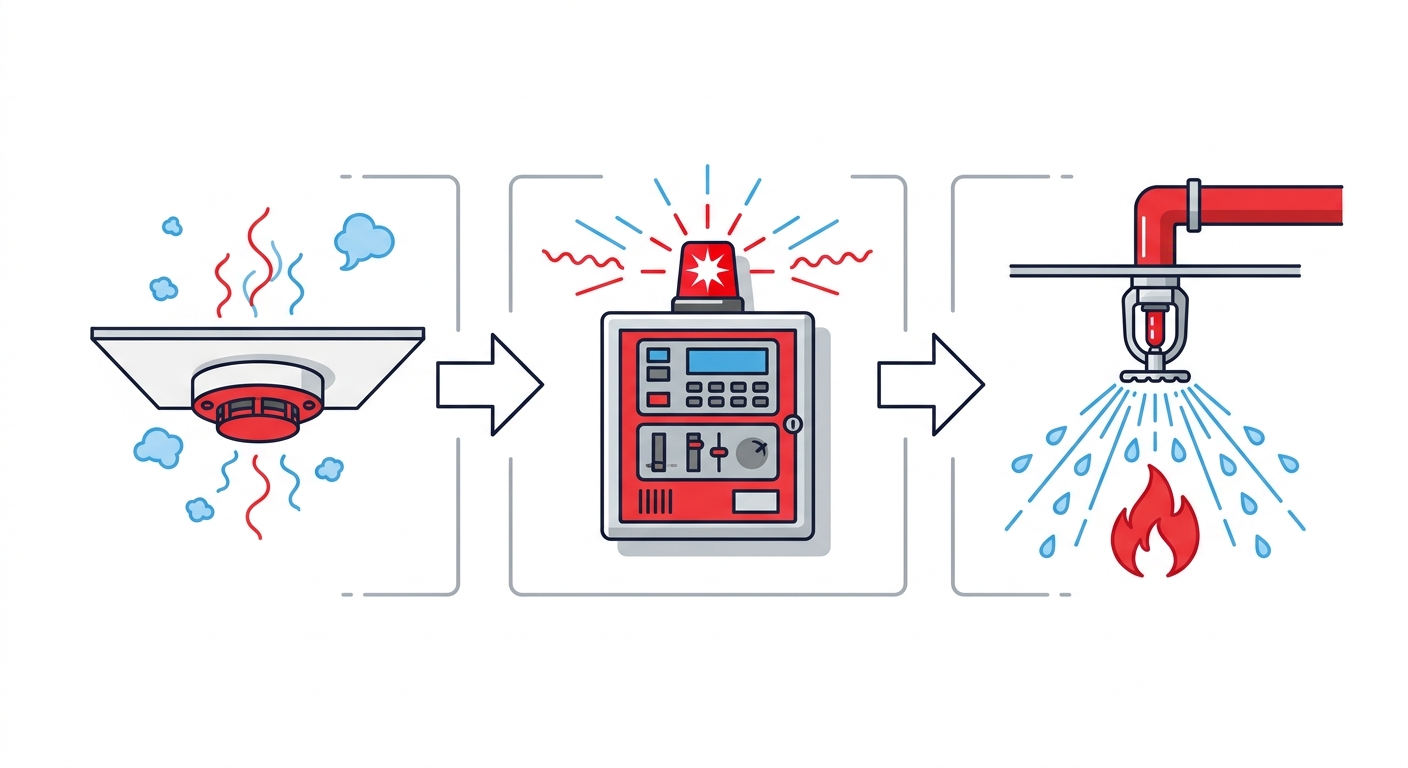
The active side works in three steps. First, detectors sense smoke, heat, or flame. Second, the alarm panel sounds horns and strobes so people can leave. Third, the suppression equipment releases water, foam, gas, or powder onto the fire.
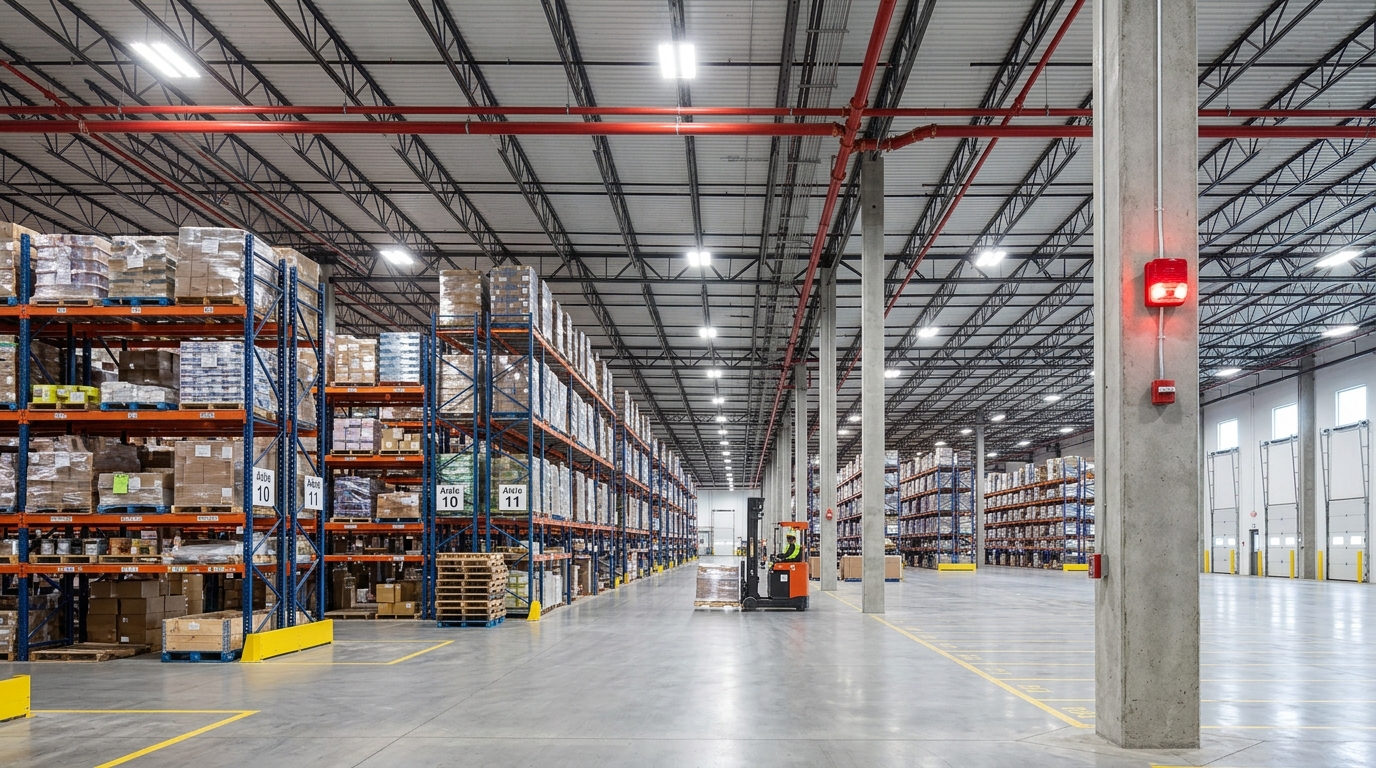
Think of a small electrical fault behind a storage rack at night. A heat detector trips, the alarm sounds, and the nearest sprinkler head opens over the spot. The fire stays small, and nobody needs to be in the room for any of it to happen.
That automatic response is the main reason a well-kept fire protection system matters. Fire grows fast, and the first few minutes decide the outcome.
Why Does a Fire Protection System Matter? Key Statistics
Fire protection has decades of real data behind it. A fire research report hosted by the NIST fire research library found that where sprinklers were present, the chance of dying in a fire fell by one-half to three-fourths. Average property loss was cut by one-half to two-thirds.
NFPA data on U.S. fires adds more detail:
- Sprinklers operated in 91% of fires large enough to activate them.
- Once they operated, they were effective 96% of the time.
- When wet-pipe sprinklers operated, 88% of fires needed only one or two heads.
- Where sprinklers failed, system shut-offs and human error caused nearly all of the failures.
These figures cover sprinklers in general, not every type of equipment. They still show two things clearly. A working fire protection system saves lives and property, and most failures come from poor upkeep, not from the technology.
Main Parts of a Fire Protection System
A complete fire protection system is more than pipes and heads. Each part has a job, and the parts must work together.
| Component | What It Does |
|---|---|
| Detectors (smoke, heat, flame) | Sense the fire early and send a signal |
| Fire alarm control panel | Receives signals, sounds alarms, and starts other equipment |
| Sprinklers and piping | Deliver water over the fire |
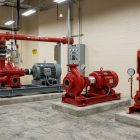
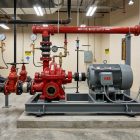
| Fire pump and water tank | Keep pressure and supply steady during a fire |
| Portable extinguishers | Let trained staff attack a small fire |
| Hydrants and hose reels | Give responders and staff a water source |
| Special suppression (foam, gas) | Protect areas where water is a poor choice |
| Emergency lighting and exit signs | Guide people out when power fails |
| Passive protection | Fire-rated walls, doors, and seals that slow spread |
Each item is tested and listed to work with the others. Swapping one part without checking its listing can weaken the whole fire protection system.
Types of Fire Protection System
The right fire protection system depends on what you protect and what could burn. Here are the main types.
Water sprinkler systems. The most common choice for offices, warehouses, and factories. Heat opens the head, and water falls on the fire.
Foam systems. Built for flammable liquids such as fuel and solvents. Foam smothers the surface and cools it at the same time.
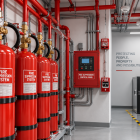
Gas suppression systems. Used in server rooms, archives, and control rooms. They put out the fire without leaving water damage.
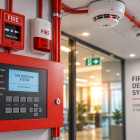
Fire alarm and detection systems. These do not put out fire, but they give the early warning every other part depends on.
Standpipe and hydrant systems. Give firefighters water inside and around large buildings.
| System Type | Best For | Points to Know |
|---|---|---|
| Water sprinkler | Ordinary combustibles, stock, offices | Needs steady water supply and pressure |
| Foam | Fuel, paint, chemical areas | Needs concentrate storage and testing |
| Gas suppression | Electronics, records, sealed rooms | Room must be sealed; people must leave first |
| Alarm and detection | Every building | Warns people but does not extinguish |
| Standpipe and hydrant | Tall or large sites | Mainly serves firefighters |
Many sites use a mix. A warehouse may have sprinklers over the racks, a gas system in the server room, and an alarm network across the whole building.
Where Is a Fire Protection System Used?
Almost every building type needs some form of fire protection system. The level changes with the risk.
Typical locations include:
- Warehouses and distribution centers
- Factories and workshops
- Offices and commercial buildings
- Hospitals, schools, and hotels
- Data centers and server rooms
- Parking structures and loading areas
- Fuel storage and chemical facilities
Your insurer and local fire authority often set the minimum requirements. Ask them early, because their answer shapes the whole design and budget.
How to Choose a Fire Protection System
Start with the building and the hazard, then work outward to the equipment. Ask your supplier these questions:
- What hazard class was used to size the design?
- Are the detectors, panel, and suppression parts listed to work together?
- Does the water supply have enough flow and pressure for the full discharge time?
- Which standards does the design follow, and who approves it locally?
- What testing happens at commissioning?
- Who trains our staff, and who services the system after handover?
Standards such as NFPA 13 for sprinklers and NFPA 72 for alarms are common starting points, though local codes may differ. Treat any figure you read online as a starting point, not a final design. A licensed fire protection engineer should confirm every detail for your site.
Installation Basics
A good fire protection system starts with a good design. A qualified engineer should prepare drawings that match the hazard, the building layout, and local code.
After installation, the system should go through acceptance testing. This usually includes flow tests, alarm tests, and a check that every device reports to the panel correctly. Keep the test records. Your insurer and inspector will ask for them.
Plan for obstructions too. Ducts, lights, and storage racks can block spray or hide detectors, so your designer should review them before devices are placed.
Maintenance and Inspection
A fire protection system is only as reliable as its last inspection. NFPA 25 covers inspection, testing, and maintenance of water-based systems, and most local codes ask for something similar.
Regular checks should cover:
- Valves, gauges, and pipes for leaks and corrosion
- Sprinkler heads for paint, dust, damage, or blockage
- Fire pump and water tank condition
- Detector and alarm operation
- Extinguisher pressure and expiry dates
- Emergency lighting and exit signs
- A written record of every test and repair
Replace damaged parts right away, even if the damage looks small. Schedule professional servicing of your fire protection system at the intervals your standard and manufacturer require.
Common Mistakes to Avoid
Most problems start before the first pipe goes in. Watch for these:
Buying on price alone. A cheaper product without proper approvals can cost far more after a failed inspection or a real fire.
Skipping maintenance. Dust, paint, and corrosion quietly reduce performance. Regular checks catch problems early.
Changing the building without a review. New racking, partitions, or a change of use can leave the original fire protection system inadequate.
Mixing parts without checking listings. Components from different makers may not perform as tested.
Leaving valves closed. Shut-off valves left closed after repairs are a leading cause of sprinkler failure.
No staff training. People who do not know the alarm, exits, and extinguishers lose time when it counts.
How Mechanism Trade Can Help
Fire protection catalogs list dozens of products, ratings, and approvals, which can feel confusing. Mechanism Trade helps buyers narrow the list by starting with the site itself.
Share your building type, floor area, ceiling height, stored materials, and available water supply. The team can then suggest a fire protection system setup with matching components. A licensed fire protection engineer and your local authority still need to approve the final design.

Frequently Asked Questions
What is a fire protection system? It is a group of devices that detect a fire, raise the alarm, and control or extinguish the flames. It can include detectors, alarms, sprinklers, pumps, extinguishers, and fire-rated building elements.
What is the difference between active and passive fire protection? Active protection acts when a fire starts, such as alarms and sprinklers. Passive protection is built into the structure, such as fire-rated walls and doors, and slows the spread of fire and smoke.
How often should a fire protection system be inspected? It depends on the component and the code in your area. Many items are checked monthly or quarterly, with a full professional inspection at least once a year. Follow NFPA 25 or your local standard.
Do I need a different system for a server room? Often yes. Water can ruin electronics, so many sites use gas suppression in these rooms, with sprinklers elsewhere in the building.
Can I add to an existing system? Sometimes. Extra devices change water demand and alarm loading, so have an engineer review the system first.
Final Thoughts on the Fire Protection System
A fire protection system works best when it is matched to the hazard, installed to code, and tested on schedule. Detection gives the warning, suppression controls the fire, and passive protection buys time for everyone to get out.
Start with a proper hazard review, choose listed components, and keep clear records of every inspection. Bring a licensed designer in from the start. If you need help matching a fire protection system to your site, Mechanism Trade is ready to help.