Introduction
Fire safety is important in order to safeguard people, properties, and business activities. Commercial and industrial buildings as well as warehouses, hospitals, shopping malls, and even residential buildings need fire safety measures to prevent fire spreading and limit damages. The effectiveness of Fire Fighting Systems is vital in such situations.
Nevertheless, the selection of fire safety equipment does not only imply placing fire extinguishers or smoke alarms. Different types of buildings will require different kinds of fire alarms, detection devices, extinguishing systems, water supply systems, and emergency responding means.
In the guide below, Mechanism Trade considers the key elements of a Fire Fighting System, its various types, criteria to pay attention to while choosing the equipment, and the significance of its routine checking and maintaining. The information will be useful for building owners and developers, contractors, facility managers, and anyone responsible for making choices related to fire safety measures.
What Is a Fire Fighting System?
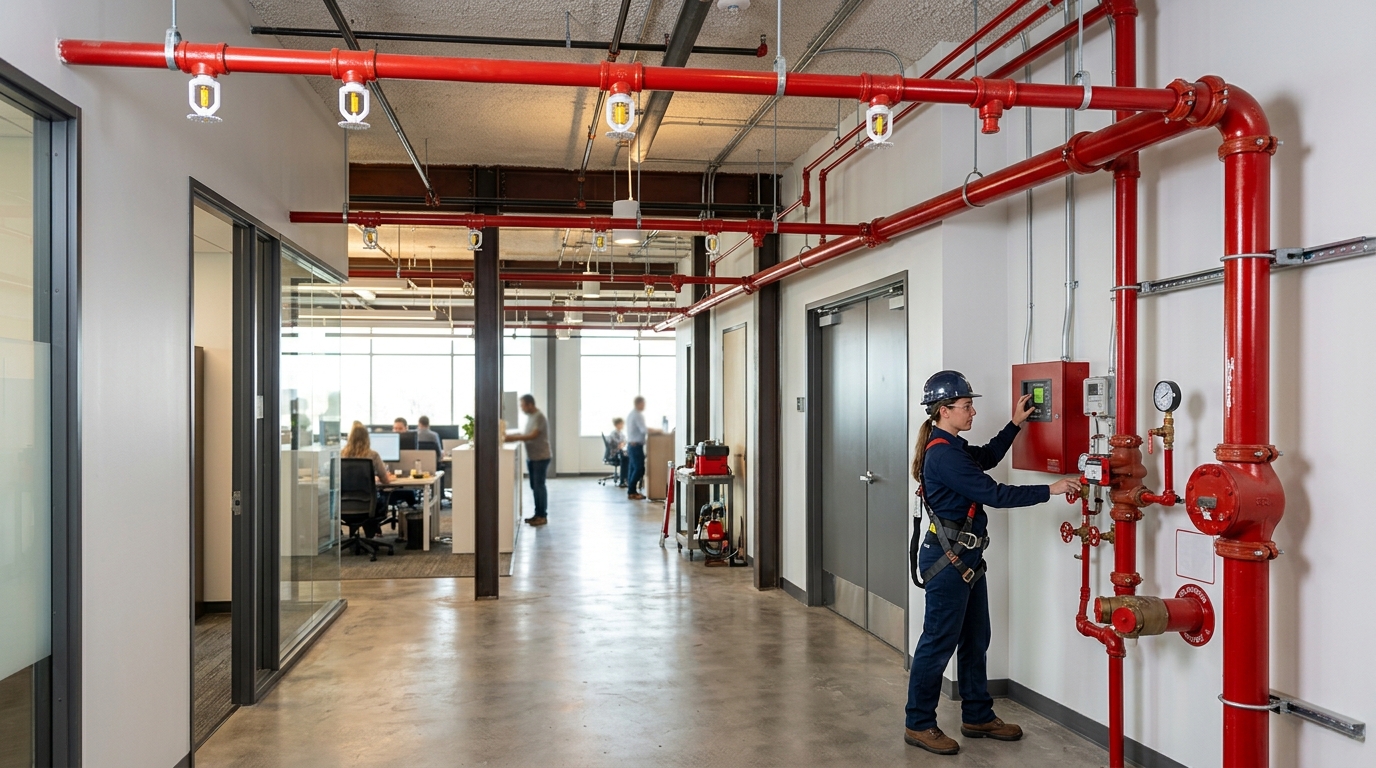
The combination of equipment and other fire safety measures is referred to as a fire fighting system, which is used for identifying, controlling, suppressing, or extinguishing fires, and helping evacuate people from the buildings.
The type of equipment used in the fire fighting system is defined by the kind of building and the level of fire risk it presents, which may include automatic sprinklers, fire pumps, hose reels, fire extinguishers, detection devices, alarm panels, etc.
The main aim of the fire fighting system is to react quickly to fire situations while avoiding any danger for human lives and preventing possible damage to buildings during such situations.
Any effective fire fighting system can be created only after analyzing the degree of occupancy of the building, its structure, possible fire hazards, availability of the water supply, and relevant safety regulations.
Why Is a Fire Fighting System Important?
Fire incidents have a tendency to escalate quickly, and, therefore, require timely detection and response to be effective. A good fire protection system allows warning the occupants, assists emergency responders, and equips them with necessary tools.
Fire Fighting System design has several benefits, including:
1) Protection of human beings
Smoke detectors, alerts and required suppression appliances allow for effective emergency response. Timely signals help evacuate people before conditions turn dangerous.
2) Decreased property damage
Properly designed and maintained automatic sprinkler and other types of suppression systems may stop fires from spreading during their early stage thus decreasing property damage.
3. Enhanced Security in the Work Environment
Factories, plants, stores, and businesses may hold a combustible material, electrical appliances, and other fire hazards. Real measures provide safety to the business.
4. Compliance with Regulations
Building owners must understand and observe the fire safety requirements in force where their building is located, the nature of the building and what occupies it. Compliance encompasses approved devices, exit points, inspections, fire fight measures, and documented maintenance.
Major Components of a Fire Fighting System
Various elements carry out different purposes; their choice is influenced by protecting measures and risks involved.
Fire Detection and Alarm Systems
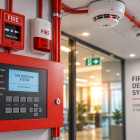
Detection equipment makes it possible to identify fire incidents, such as smoke or heat rise used with proper means of detection. The alarm system warns the residents while starting other actions.
Frequently used elements are smoke detectors, heat detectors, manual call points, alarm bell, notification equipment, and fire alarm controllers.
Fire Sprinkler Systems
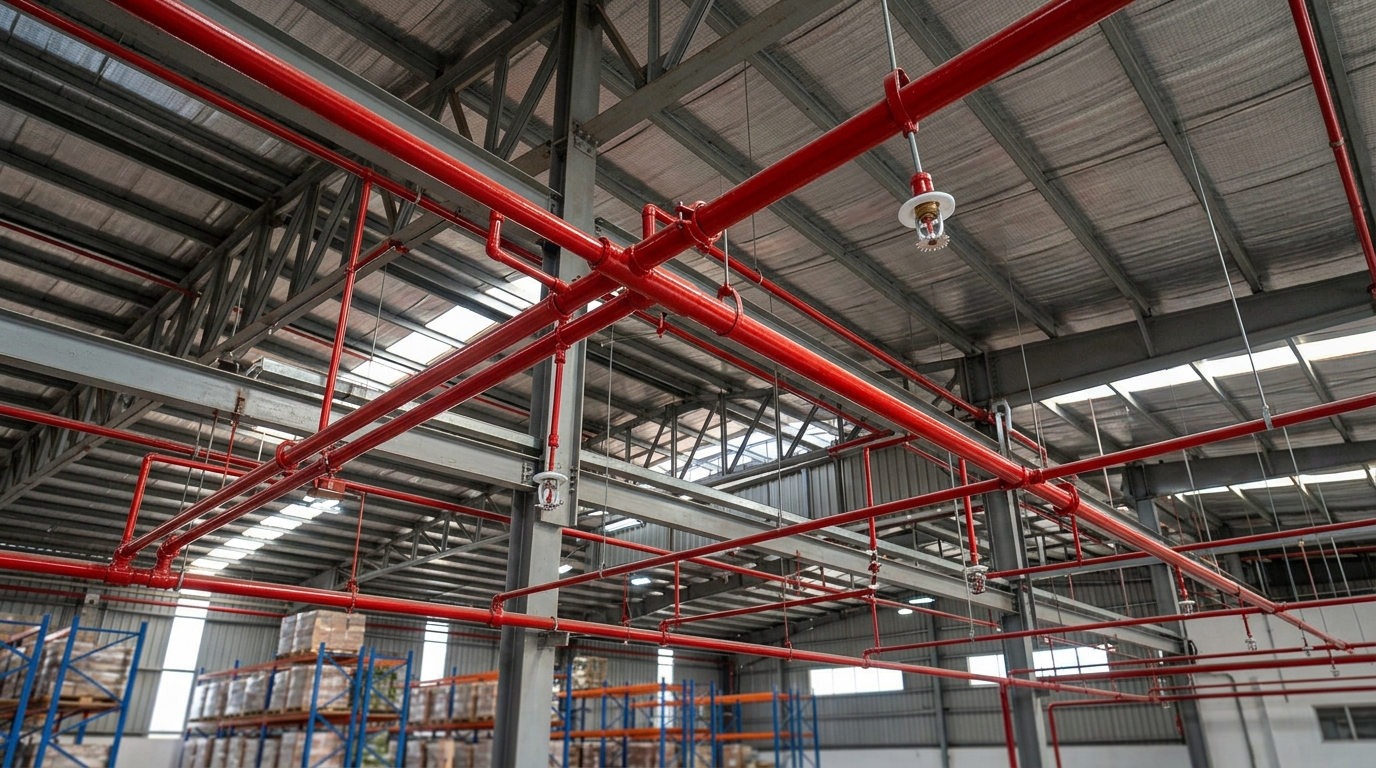
Sprinkler equipment consists of sprinkler heads placed in the right locations and connected to the water supply. In many traditional automatic sprinkler systems, all the sprinkles are activated when the temperature gets high enough.
Sprinklers can manage or eliminate fire only in well-defined situations. Their effectiveness is based on correct hydraulic design, proper installation, and periodical checking.
Fire Hydrant and Hose Reel Systems
Hydrant systems give access to water needed in fire operations. Hose reels serve as devices for putting fire out in case of emergency situations.
The design should take into account building layout, water supply, pressure, accessibility, and people who will operate the firefighting systems.
Fire Pumps
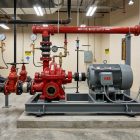
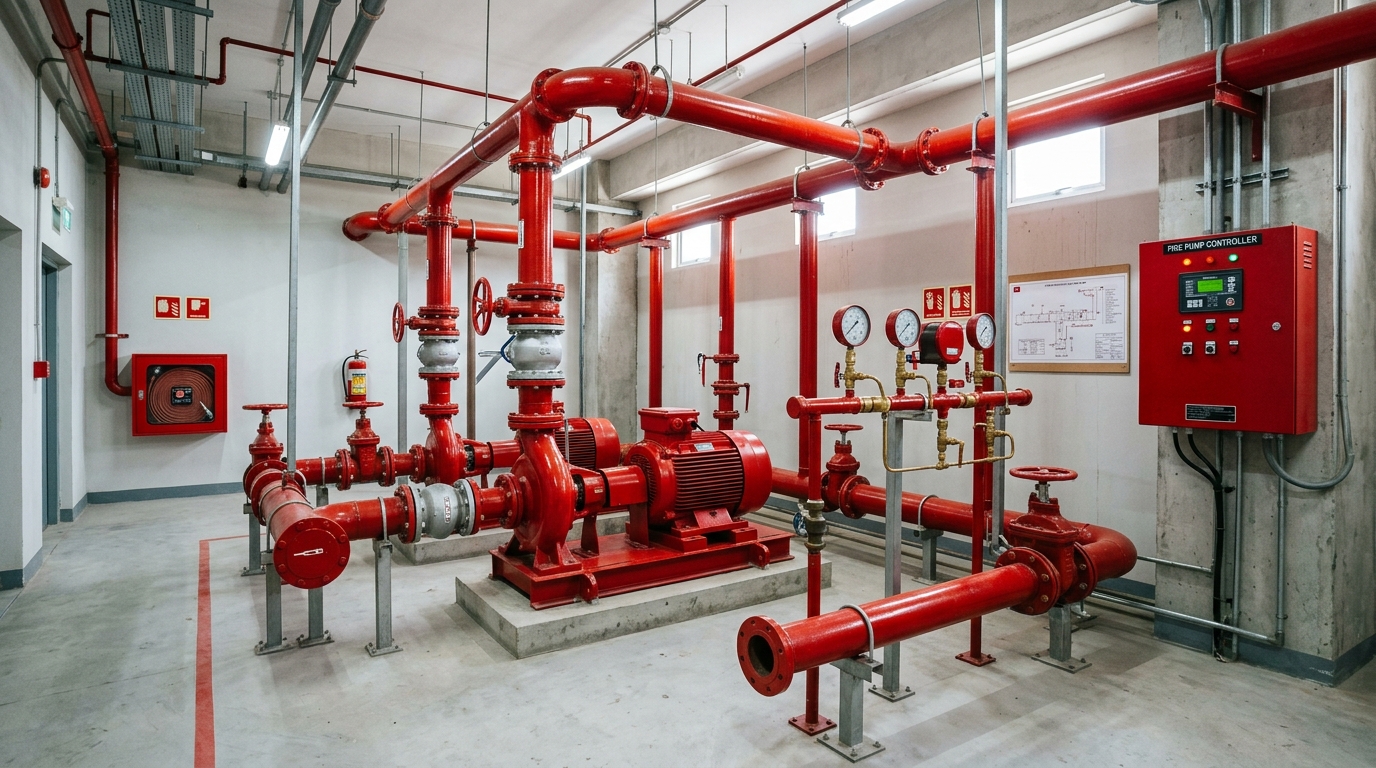
Fire pumps provide the necessary pressure and flow in cases where the available water source cannot provide the hydraulic requirements of the fire protection system.
There are several factors to consider in choosing the type of pump, including flow rating, pressure rating, type of driver, conditions of the water source, and applicable standards.
Pump selection must consider compatibility with the overall system design.
Fire Extinguishers
The selection of portable extinguishers is based on the type of risks present in a particular situation. There are various extinguishing agents to use in the different classes of fires.
For example, not all extinguishers that are used against ordinary combustibles would work against flammable liquids, electrical fires, or cooking oils. The wrong choice might result in further risks.
Specialised Fire Suppression Systems
Certain scenarios call for special solutions, such as commercial kitchen environments, server rooms, industrial processes, and structures processing flammable products.
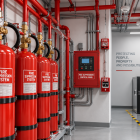
Some systems have proven effective in such situations, such as clean agents, foam systems, and water mist systems. Certain methods should be determined through professional hazard assessment.
Types of Fire Fighting Systems
The most suitable system depends on the building’s function, size, occupancy, and fire risks.
| System type | Primary function | Typical applications |
| Automatic sprinkler system | Controls or suppresses fires using water | Offices, residential buildings, warehouses |
| Fire hydrant system | Supplies water for firefighting operations | Commercial and industrial buildings |
| Fire alarm and detection system | Detects fire indicators and alerts occupants | Most building types, subject to requirements |
| Portable fire extinguishers | Provides first-response firefighting capability | Offices, shops, factories |
| Clean-agent suppression | Suppresses fires using a suitable gaseous agent | Selected electrical and sensitive equipment areas |
| Foam suppression | Controls certain flammable-liquid fires | Suitable industrial and fuel-related hazards |
| Water-mist suppression | Uses fine water droplets for suitable fire hazards | Specialised applications determined by design |
These systems are not interchangeable. A qualified fire protection professional should determine the combination needed to protect a specific facility.
How to Choose the Right Fire Fighting System for Your Building
Choosing the correct equipment calls for a systematic approach instead of a blanket solution.
Analyze the Building’s Fire Risks
You would begin by determining the sources of ignition, the combustible materials present, and the electrical systems in place, the processes that may be hazardous, and the potential occupancy of the building.
For instance, a factory using flammable liquids would require quite different equipment than a small administrative office.
Evaluate the Building Size and Occupancy
Things like building height, area, shape of the rooms, arrangement for storage of materials, characteristics of the occupants, etc. can dictate what equipment and systems should be put in place.
Skyscrapers and large manufacturing plants, for instance, would make it necessary to arrange more complicated water supply, alarm, and evacuation systems.
Check Compliance with Regulations
The design of fire protection must conform to suitable building codes, fire safety rules, and relevant regulations.
National Fire Protection Association sets out standards for fire protection devices such as NFPA sets the standards for sprinklers, NFPA 20 for fire pumps, and NFPA 25 for testing.
It is always recommended to check applicable standards to be sure of local rules.
Examine Quality of the Product
When purchasing equipment from Mechanism Trade or other suppliers, make sure to receive product specifications, certification documents, warranty, and information about technical support.
Confirm that the equipment is as needed and replacement parts and maintenance support will be possible to obtain when necessary.
Fire Fighting System Installation: Important Considerations
Proper installation is as crucial as the choice of right equipment. Improper location, incorrect pipe size, insufficient amount of supply water, or improper electrical connection may result in the failure of the whole system.
The professional installation requires an analysis of building design, hazard analysis, specifications of equipment, hydraulic calculations where necessary, as well as coordination with the rest of the building systems.
The team of installers must check the equipment accessibility.
Before commissioning the system, it must be checked by trained staff.
Maintenance and Inspection: Keeping Fire Protection Ready
The fire suppression system must be kept in good working order throughout the operational life of the building. Cleaning and checking the system regularly leads to discovering any problems early before they can hinder the operation in case of an emergency.
An efficient maintenance program should be designed according to the equipment manufacturer’s manuals, existing standards, and local regulations.
Some of the most important operations are inspecting fire extinguishers, hydrants, hose reels, sprinklers, and all visible pipes; checking fire alarm and alarm device panels, alarm signals, and back-up sources; maintaining the fire pumps and their operation tests in compliance with regulations; confirming that all valves and pathways meet the requirements; and writing down all inspections, tests, repairs, and actions taken.
Different activities should be performed with different frequency depending on the equipment and regulations to follow. NFPA 25 is important for water-based safety systems since it can be referred to when planning inspection, testing, and maintenance.
It is the responsibility of the building managers to keep records and fix any problems in no time.

Fire Safety Standards and Authoritative References
Reliable fire protection depends on recognised technical standards, local regulations, and competent professional implementation.
The National Fire Protection Association (NFPA) maintains a broad collection of codes and standards covering fire prevention, detection, suppression, and life safety. Its publications help professionals establish appropriate requirements for different types of installations.
The Occupational Safety and Health Administration (OSHA) also provides workplace fire safety resources covering fire protection systems, evacuation planning, and related safety considerations.
Useful references include:
- NFPA Codes and Standards: https://www.nfpa.org/codes-and-standards
- OSHA Fire Safety: https://www.osha.gov/fire-safety
- NFPA 25 — Inspection, Testing, and Maintenance: https://www.nfpa.org/codes-and-standards
These resources provide technical guidance, but they do not replace the local laws, building approvals, or professional assessments applicable to a particular project.
Frequently Asked Questions (FAQs)
What is included in a fire fighting system?
A fire fighting system can comprise equipment such as detection and warning devices, sprinklers, hydrants, pumps, hoses, extinguishers, and other special equipment.
How often is fire fighting equipment maintenance done?
The frequency of maintenance depends on the type of equipment, manufacturer recommendations, applicable standards, and local laws. Building managers must follow maintenance requirements and keep a record of maintenance done.
Are fire alarms and automated fire fighting systems the same?
No, they aren’t. Fire alarms are primarily used to detect fire and send warnings to people. Each of these systems has its own functions. In some cases, detectors and alarms are connected to automated fire extinguishing systems, but their roles are quite different.
Why is professional implementation important?
Professional implementation helps assure proper selection of equipment, its placement, connection, and testing, as well as integration of fire fighting systems with other systems in the building. It also assures that all applicable technical and legal requirements are followed.
How can Mechanism Trade assist customers in fire fighting system area?
Customers can contact Mechanism Trade if they want to know what products the company has.
Why Choose Mechanism Trade for Fire Protection Equipment?
Choosing fire protection systems involves paying attention to certain key factors such as the appropriateness of the technology for a project purpose, product specifications, and the expectations resulting from the operation of the place of application.
Mechanism Trade is a place for consumers looking for information related to industrial and fire protection solutions. Before placing an order for any product, a consumer must ensure that they know the availability, specifications, approvals, delivery options, warranty conditions, and the possibility of getting support after the purchase.
Whatever it is, whether one is starting a new business venture, modernizing an industrial plant, or revisiting an existing system, he/she needs to have clearly formulated basic requirements for the project so as to be able to start comparing devices and make a wise decision regarding what to buy.
Feel free to contact Mechanism Trade if you wish to clarify your plans and find information about the most suitable products available in the market for your specific business needs.
Conclusion: Building a Safer Environment with the Right Fire Fighting System
Fire safety entails much more than merely the installation of separate devices. It implies an understanding of the various types of danger, choosing fitting detection and extinguishing methods, ensuring a sufficient water source if necessary, and the maintenance of all types of equipment.
A well-designed fire fighting system serves the purpose of alerting about fires, controlling them, and making emergency situations easier to manage. At the same time, the efficiency of the system depends on its design, installation, adherence to the regulations, as well as on the inspections and tests.
For owners of buildings, contractors, facility managers and industrial employees, it is vital to estimate the fire risks of facilities before choosing the necessary equipment. One can contact Mechanism Trade if he needs to learn about available fire protection devices and their needs.
Thus, adopting the needed fire safety measures is a wise move towards ensuring the safety of people, properties and smooth business operation.