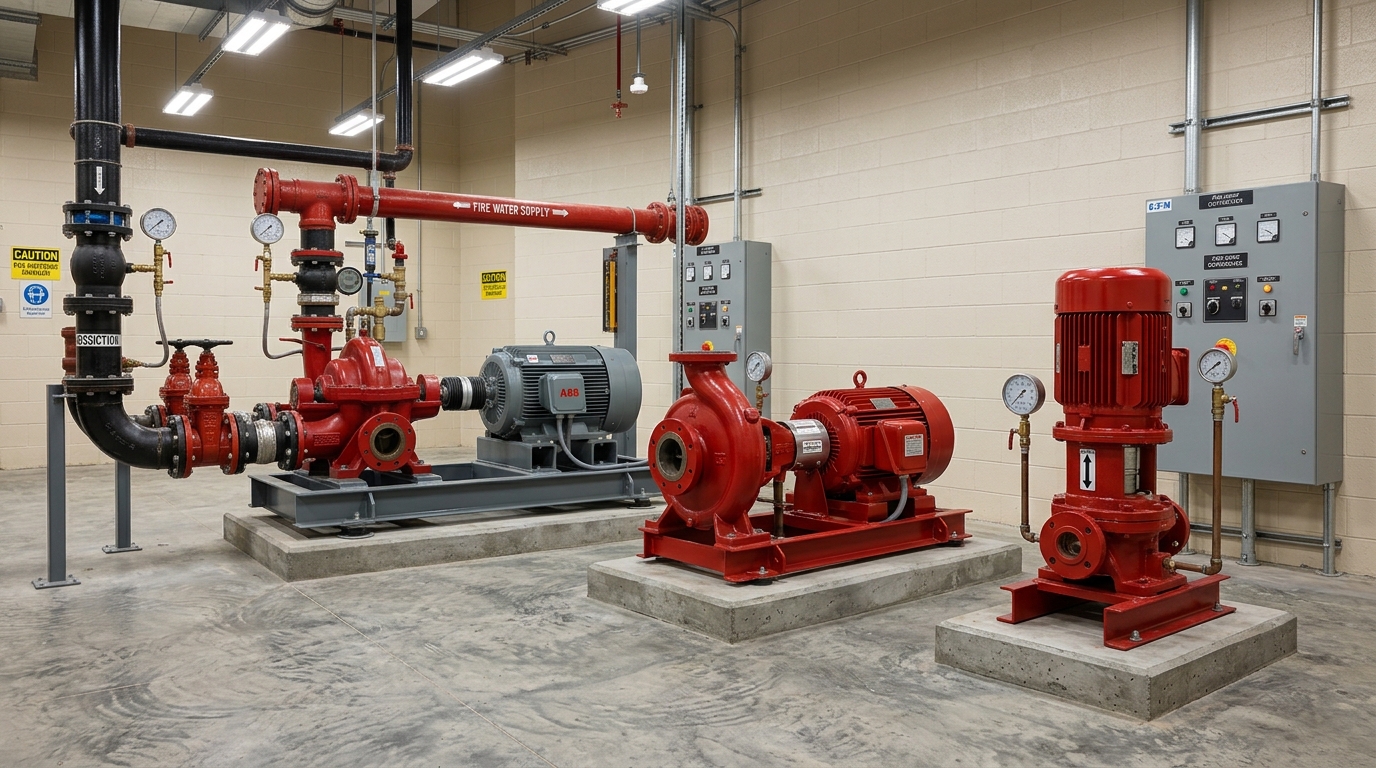
When a fire breaks out, water has to arrive with enough pressure and enough volume. A fire pump is the machine that makes that happen. Without it, sprinklers and hydrants in tall or large buildings are just empty pipes.
This guide explains the pump in plain language. It is written for building owners, factory managers, engineers, and contractors in Bangladesh.
Here is what you will get from this article:
- What a fire pump is and how it works
- The main types and when to use each
- A simple way to think about GPM and pump size
- A table that converts common pump sizes for Bangladesh projects
- A checklist for buying the right pump
- Answers to the questions people search for most
What Is a Fire Pump?
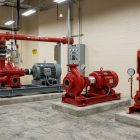
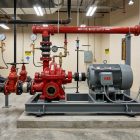
A fire pump is a stationary pump that supplies water to a building’s fire protection system. It feeds sprinklers, hydrants, and standpipes when the normal water supply is not strong enough.
The global reference for these machines is NFPA 20. As explained in an ASPE engineering article, the standard sets minimum requirements for selecting, installing, and testing a fire pump, along with its power supply and controls.
In simple terms, it must be strong, reliable, and ready at all times.
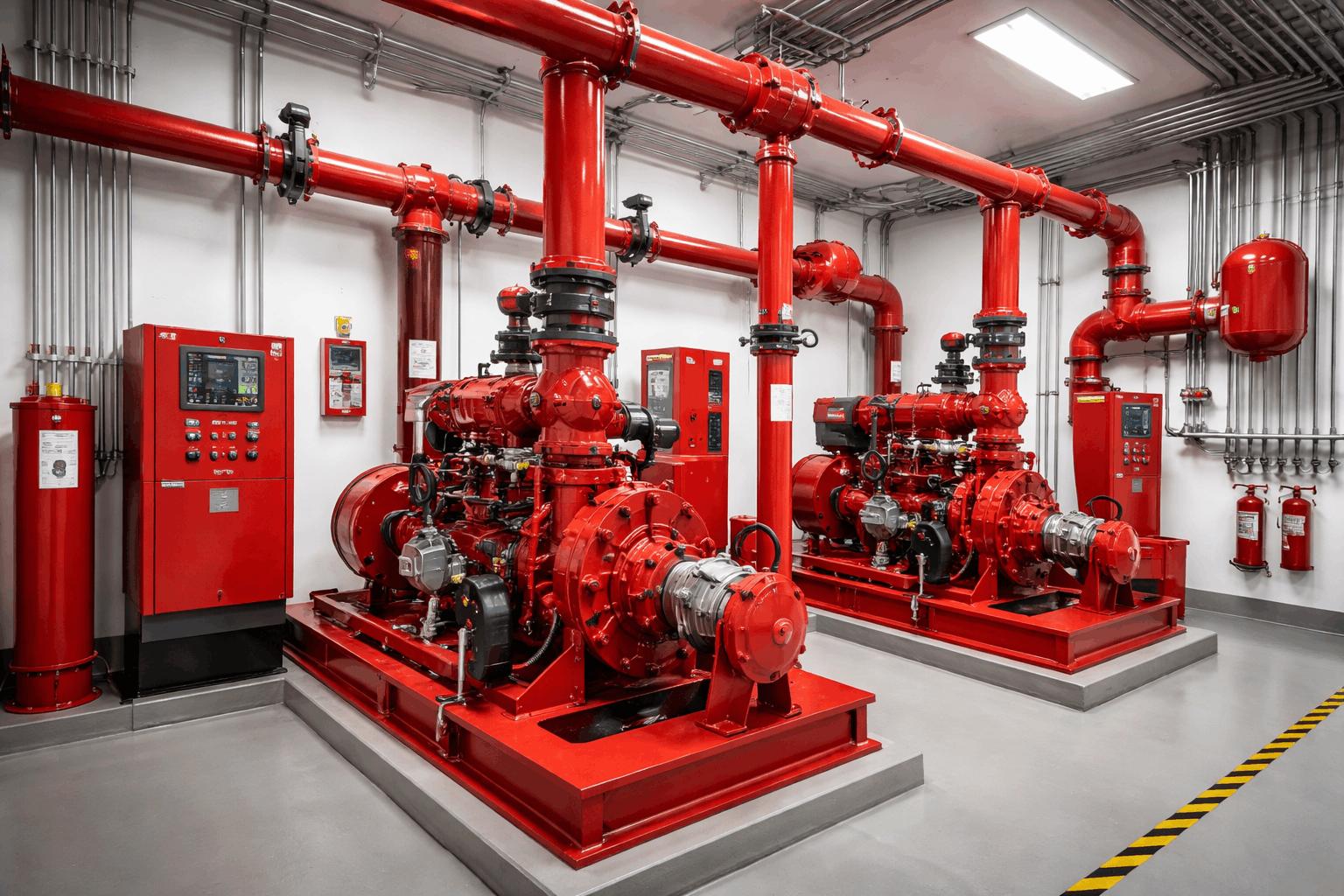
Why Fire Pump Quality Matters in Bangladesh
Fire is a daily risk in the country. The Fire Service and Civil Defence recorded 27,059 fires in 2025, which is about 75 a day, according to The Business Standard. Those fires killed 85 people and caused about Tk569.97 crore in damage.
| Fire statistic (2025) | Figure |
|---|---|
| Total fires | 27,059 |
| Average per day | About 75 |
| Deaths | 85 |
| Property damage | About Tk569.97 crore |
A working pump gives a building the power to fight a fire in its first minutes. That is why the pump room deserves as much care as the lobby.
How Does a Fire Pump Work?
The idea is simple. The system keeps water in the pipes at a set pressure. When a sprinkler opens or a hydrant is used, pressure falls. The pump senses this drop and starts automatically.
Here is the usual sequence:
- A small jockey pump keeps normal pressure steady.
- A fire starts and a sprinkler opens, so pressure drops fast.
- The controller starts the main pump.
- Water flows to sprinklers and hydrants at full pressure.
The Role of the Jockey Pump
A jockey pump is a small helper. As Plumbing & Mechanical magazine explains, it makes up for minor leaks so the main pump does not start for no reason. Its flow is kept low, often around 5 gallons per minute as a rule of thumb.
Weekly Testing
Modern controllers include an automatic weekly test. The pump starts, runs for a set time, and shuts down. Regular testing is how you find a problem before a real emergency does.
Types of Fire Pump
Most projects use one of two main types, often together.
| Type | Power source | Best for | Key point |
|---|---|---|---|
| Electric pump | Mains electricity | Buildings with a very reliable power supply | Needs a dedicated feed and, where required, a backup source |
| Diesel engine pump | Diesel engine | Sites with weak or unreliable power | Needs fuel storage and two independent starting sources |
| Jockey pump | Small electric motor | Keeping system pressure steady | Does not replace the main pump |
Electric or Diesel?
Many people ask if an electric pump is a must. It is not. Diesel engine pumps are widely used, and they are a smart choice where power cuts are common. Many buildings install both, so one covers the other.
How to Calculate Fire Pump GPM
GPM means gallons per minute. It tells you how much water the pump must deliver. Bangladesh projects often also use liters per minute (LPM), so here is a quick conversion table.
| Pump size | Liters per minute (approx.) |
|---|---|
| 500 GPM | 1,893 LPM |
| 750 GPM | 2,839 LPM |
| 1,000 GPM | 3,785 LPM |
A Simple Example
Sprinkler demand comes from the hazard level. As an illustration only, imagine a design density of 0.15 gallons per minute per square foot over 1,500 square feet. That gives 225 GPM for sprinklers. Then you add an allowance for hose streams.
This is only a teaching example. A qualified fire engineer must run the full hydraulic calculation for a real building.
Key Performance Rules to Know
According to the ASPE article, NFPA 20 expects the pump to meet clear performance points:
- It must deliver at least 100 percent of rated flow at rated pressure.
- At 150 percent of rated flow, it must still deliver at least 65 percent of rated pressure.
- Shutoff pressure is typically limited to 140 percent of rated pressure.
These numbers are why you should always ask for a performance curve and test report. A pump that looks good on paper but misses these points can fail when it matters most.
How to Choose the Right Fire Pump
Use this simple checklist before you buy:
- Confirm the required flow and pressure with your fire engineer
- Choose electric, diesel, or both based on your power supply
- Ask for listed or approved equipment with proper documents
- Check the controller, jockey pump, and valves are included
- Ask about spare parts and after-sales service
- Plan for weekly tests and regular maintenance
Price matters, but a cheap pump that fails during a fire is the most expensive choice you can make.
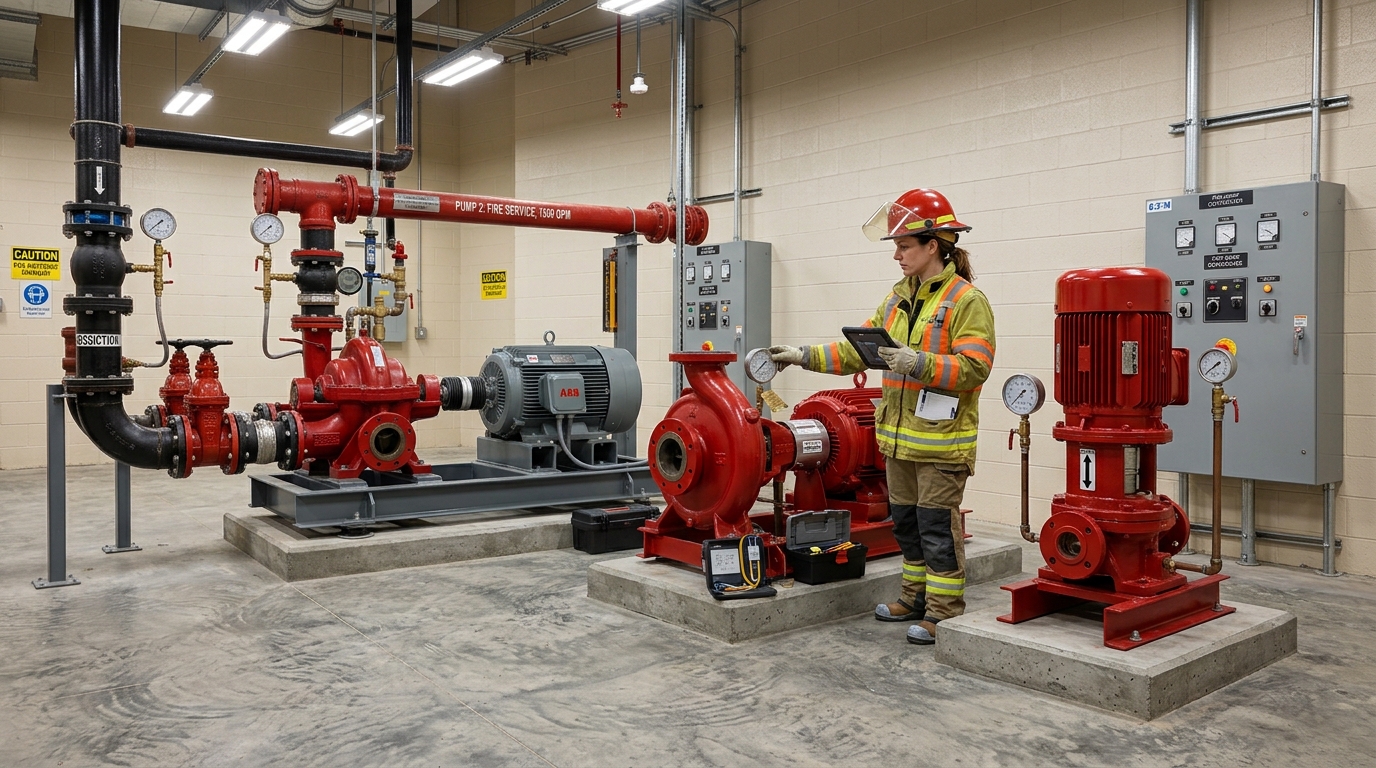
Simple Maintenance Tips
A fire pump that is never checked may not start when you need it, and nobody wants to learn that during an emergency. A few habits keep the system ready:
- Run the weekly test and record the results
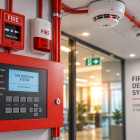
- Check the controller panel for alarms or faults
- Keep the pump room clean, dry, and locked
- For diesel units, check fuel, batteries, and oil
- Fix leaks quickly so the jockey pump is not overworked
- Book a yearly flow test with a qualified engineer
Good records also help during insurance reviews and safety audits. If something changes in your building, such as new floors or new equipment, recheck the water demand with your engineer.
Where a Fire Pump Is Needed
A fire pump is common in:
- Garment factories and large warehouses
- High-rise offices and residential towers
- Hospitals and hotels
- Shopping malls and markets
- Industrial plants
If your building has sprinklers, hydrants, or a wet riser and the water supply cannot meet the demand, you need a fire pump.
Why Choose Mechanism Trade?
Mechanism Trade & Engineering Ltd. is an importer, distributor, wholesaler, and service provider based in Uttara, Dhaka. It describes itself as an ISO certified engineering company in Bangladesh.
Its fire safety work covers suppression and alarm systems, sprinklers, standpipes, fire-rated doors, and safety equipment. The company lists design, supply, installation, testing, and commissioning among its services. For every fire pump project, its fire department scope lists UL, FM, EN, and NFPA-20, the standard this guide explains.
That mix matters. A pump is only one part of the system, so working with a team that also handles sprinklers, alarms, and piping can reduce gaps between suppliers.
Projects listed on the company website include Aarong Centre (BRAC Group), Bashundhara Golf Driving Range, QA Tower, and Uttara University’s permanent campus.
You can explore the range on these pages:
Whether you need a single pump or a complete set with a controller and jockey pump, ask the team for clear specifications and honest advice. A good supplier explains the options, not just the price.
Contact Mechanism Trade:
- Address: House#21, Level-7, Sonargaon Janapath Road, Sector#07, Uttara, Dhaka-1230
- Phone: +88 02 8932321 or +8801715686612
- Email: sales@mechanismtrade.com
- Website: mechanismtrade.com

Frequently Asked Questions
How does a fire pump work?
It keeps water flowing to sprinklers and hydrants at the right pressure. When pressure drops because a sprinkler opens, a controller starts the pump automatically.
Does a fire hydrant pump run all the time?
No. The main pump stays idle until pressure drops. A small jockey pump handles minor leaks and keeps pressure steady, so the main pump runs only when needed or during tests.
How to calculate fire pump GPM?
Start with the building’s hazard level and design density, multiply by the design area, and add hose stream allowance. A fire engineer should confirm the final figure with a hydraulic calculation.
How to pump a fire engine?
This is a task for trained firefighters. In general, the crew connects a water source, engages the pump on the fire engine, opens the discharge lines, and sets the pressure for the hose in use. Procedures vary by vehicle and training.
Is an electric pump a must for fire protection?
No. Electric, diesel, and combined setups are all used. Diesel pumps suit sites with unreliable power, while electric pumps need a dependable supply.
Wrapping Up
A fire pump is the heart of a building’s fire protection system. It must be sized right, powered reliably, and tested often.
Check the flow and pressure, choose the right type, and insist on proper documents. Do that, and your fire pump will be ready on the day you hope never comes.
Need help choosing a fire pump for your project?
Contact Mechanism Trade today at sales@mechanismtrade.com